
Excellence in Motion
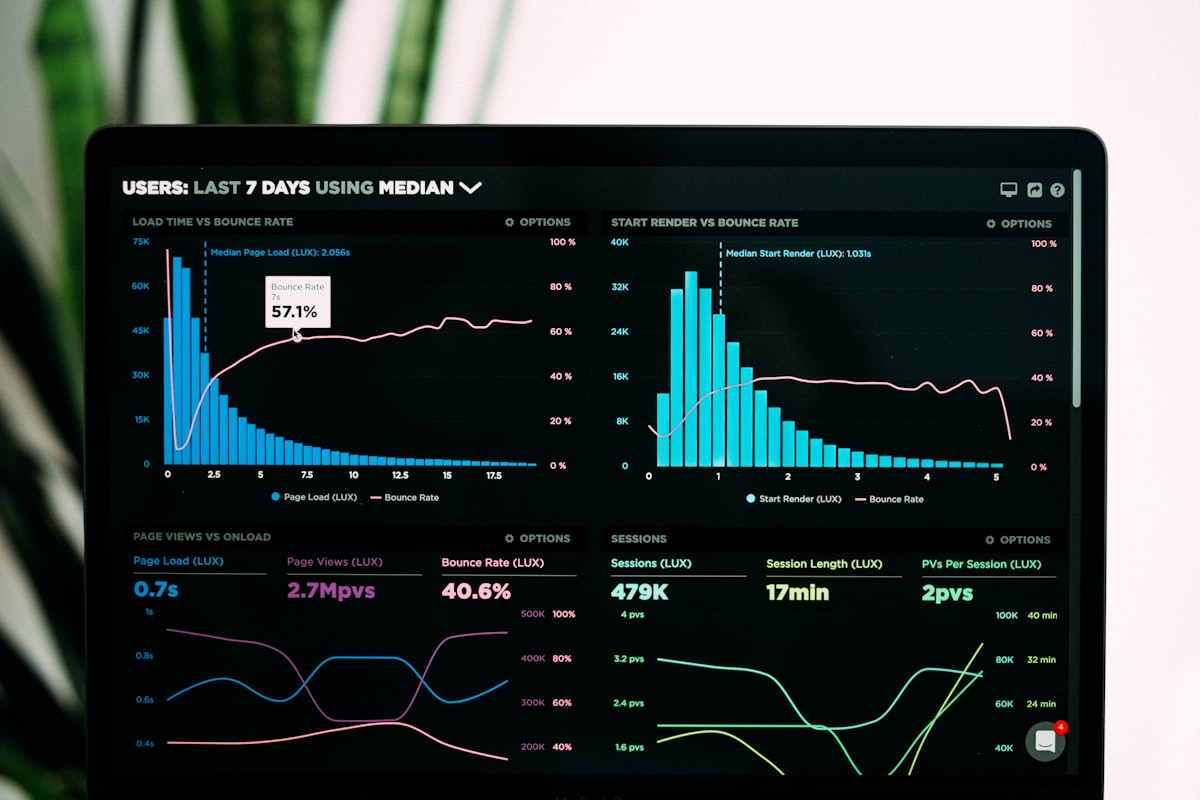
Digital logistics connects booking details, transport milestones, documents, warehouse events, and delivery confirmation in one agreed workflow. We map the data your team needs before recommending a dashboard, feed, or tracking process.
Where GPS or carrier events are available, teams can review movement, exceptions, route deviations, and proof of delivery. Monitoring hours, alerts, and integrations depend on the agreed service scope and the operating partners involved.
ULIP and other public or partner systems may support data exchange where access, permissions, and the shipment workflow allow it. Confirm the current integration scope before implementation.
Route planning can compare distance, vehicle capacity, delivery windows, traffic information, and load sequencing. Any time or fuel improvement should be measured against your own baseline.
A road control tower gives one team a view of planned milestones, exceptions, escalation owners, and recovery actions. Coverage and response windows are set for each operating plan.
Discuss a visibility workflow built around the milestones, exception rules, systems, and operating partners relevant to your supply chain.